

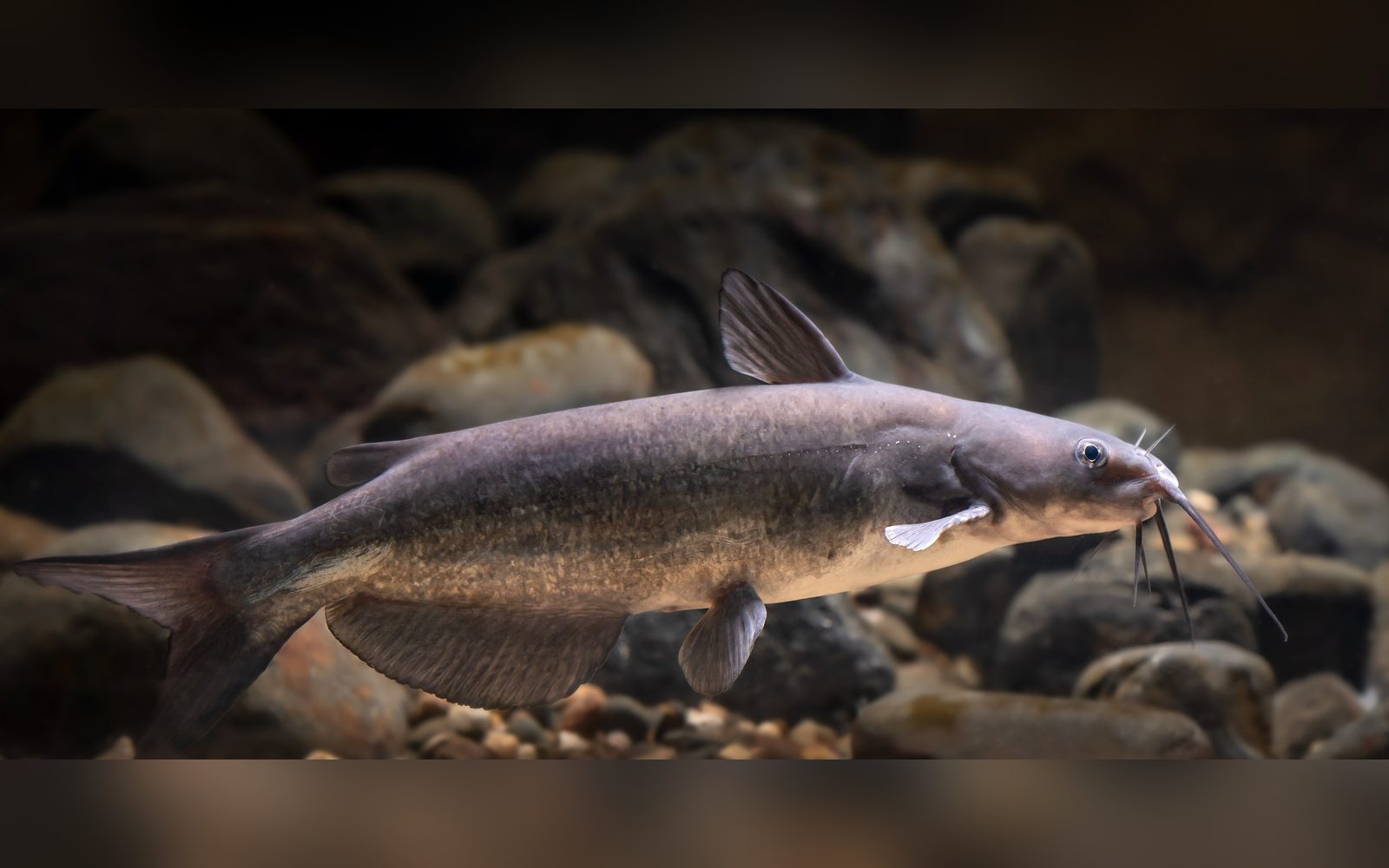
Catfish find food by smell and taste. Arkansas Game & Fish says a channel catfish has 140 scent-sensing folds (a largemouth bass may have only 10) and calls scent the secret ingredient, and Washington says strong-smelling baits work because of the catfish’s sense of smell. The baits below run from everyday baits for channel catfish to big-fish baits for blues and larger channels.
Catfish baits, in order
-
Chicken liver, gizzards and guts. Named by Texas, Washington, Florida, Missouri, Iowa, Oklahoma and Alabama (as chicken). Florida lists chicken liver and gizzards; Iowa adds chicken blood and guts. Oklahoma’s American Horse Lake advice for channel catfish is chicken liver, live worms, hot dogs, dough bait and punch bait.
-
Nightcrawlers and other worms. Missouri and Iowa both name nightcrawlers; Alabama names redworms, Florida earthworms and Arkansas catalpa worms and nightcrawlers. Oklahoma fishes a worm under a bobber along dam riprap from late April into May, when channel catfish are gorging before the spawn, to catch lots of small to medium channels. Iowa also lists leeches and grasshoppers.
-
Cut bait. Pieces of fish. Washington names cut bait from oily fish. Arkansas uses shad, small bream and chunks of carpsucker or skipjack, and notes that tough-skinned cut carp or buffalo stays on the hook. Florida names cut mullet. Iowa fishes cut bait or dead minnows in late winter and spring after ice-out. For blue catfish Missouri says many anglers prefer gizzard shad and skipjack herring, said to release attractive oil, and Maryland uses fresh-cut menhaden, gizzard shad, white perch, bluegill or eel. Oklahoma fishes cut shad on a circle hook for blues, either off the bottom or under a float, around creek channel ledges and dam riprap.
-
Stink, punch and dough baits. Texas, Washington, Florida, Oklahoma and Iowa name stink bait; Washington and Alabama add dough baits and dough balls, and Oklahoma adds punch bait. Fish them on the bottom. Iowa says anglers switch to prepared baits once water warms to 70°F and above, and that prepared bait is most effective for pan-size channels from June through August. Oklahoma notes that channel catfish are much more likely than flathead or blue catfish to eat non-live or non-natural baits.
-
Shrimp, clams, cheese and hot dogs. Texas, Washington and Florida name shrimp; Florida adds clams; Texas and Alabama add cheese; Washington and Oklahoma add hot dogs. Missouri also names a bait-dipped rubber worm, grasshoppers and crayfish.
-
Live and fresh fish for big catfish. Iowa uses big baits for larger channels: dead bluegill, live chubs, water dogs, crayfish and frogs. Missouri names live or dead sunfish and goldfish for blues. Maryland says anglers after blue catfish of 60 lb or more often use live bait, and also chums with ground menhaden.
Pick a bait by situation
| Situation | Bait | Source |
|---|---|---|
| Late winter to spring, after ice-out | Cut bait or dead minnows | Iowa DNR |
| Late April to May, dam riprap, pre-spawn channels | Worm under a bobber | Oklahoma DWC |
| June to August, water 70°F and up | Prepared baits, best for pan-size channels | Iowa DNR |
| Larger channel catfish | Dead bluegill, live chubs, water dogs, crayfish, frogs | Iowa DNR |
| Blue catfish, reservoirs and rivers | Cut shad on a circle hook, off the bottom or under a float; gizzard shad or skipjack herring (Missouri); fresh-cut menhaden, gizzard shad, white perch, bluegill or eel (Maryland) | Oklahoma DWC, Missouri MDC, Maryland DNR |
| Blue catfish of 60 lb or more | Live bait | Maryland DNR |
Hooks, line and timing
Florida FWC fishes a #2 to #4 hook with heavy split shot on the bottom. Iowa DNR uses 10 lb test line and a slip sinker rig, with circle hooks for live or cut bait. For blues, Missouri uses 6/0 to 8/0 circle hooks, a 7 to 10 ft medium-heavy or heavy rod and 30 to 50 lb monofilament. Oklahoma’s medium to extra-heavy rods and 10 to 80 lb line cover the range from small channels to big blues.
Channel catfish feed more in low light and overnight, though Oklahoma says they can be caught at any time and Florida finds them active just before dusk and at night. Iowa says feeding picks up after water passes 40°F, and Washington sees an early fall pickup that then slows, with winter difficult. Blue catfish are targeted year-round in Oklahoma, with some of the biggest caught in mid-winter, and Texas guides quoted by TPWD find them best from February to April.
Rules on live bait, baitfish and bait collecting vary by state and water. Read your state agency’s current regulations first, for example the fishing pages of Oklahoma DWC, Missouri MDC, Maryland DNR or Arkansas Game & Fish.
Match the bait to the fish with the channel catfish guide, and put it on the bottom with these catfish rigs.
Sources
- Stinky stuff: catfish baits that reek of success, Arkansas Game & Fish Commission
- Catfish, Florida Fish and Wildlife Conservation Commission
- Channel catfish, Iowa DNR
- Blue catfish: fishing, Maryland Department of Natural Resources
- Catfish tips for fishing, Missouri Department of Conservation
- Big river catfishing, Missouri Department of Conservation
- Catfish angler guide: top tips and area highlights, Oklahoma Department of Wildlife Conservation
- Channel catfish, Outdoor Alabama (ADCNR)
- Channel catfish, Texas Parks and Wildlife Department
- Channel catfish, Washington Department of Fish & Wildlife