

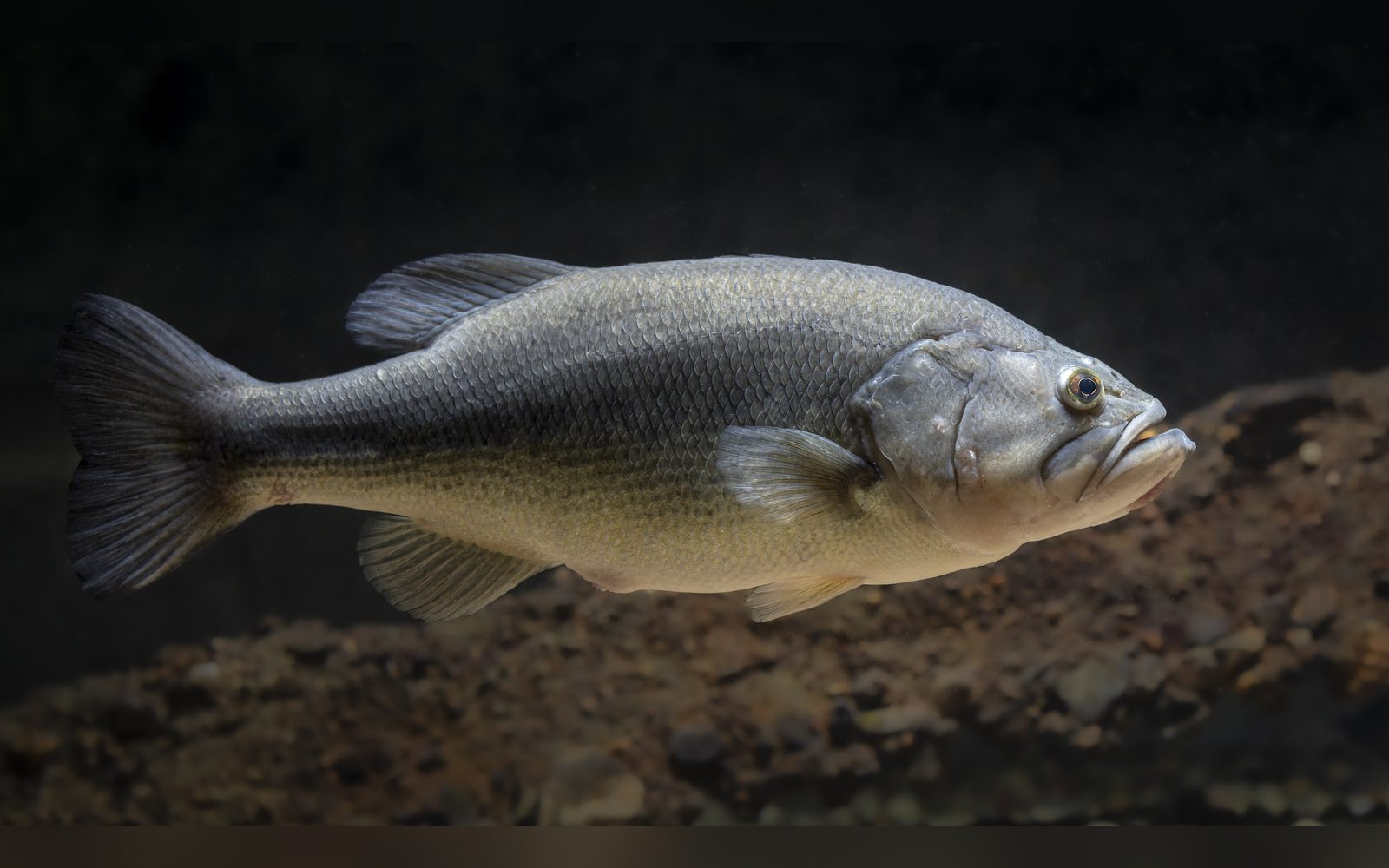
Bass eat what fits in their mouths. Missouri lists fish, crayfish, large insects and occasionally frogs, mice and snakes, and New York says largemouth will eat nearly anything they can fit in their mouth. The live baits below are the ones agencies name, with how each is fished.
Live bait for bass, in order
-
Golden shiners. Florida FWC’s best live bait for largemouth, fished under a float or free-lined. Hook the shiner through the lips or back with a large 2/0 to 5/0 hook. Live bait took 9% of Texas’s 13-lb-plus ShareLunker bass, the same share as crankbaits.
-
Nightcrawlers. Iowa DNR says bass take nightcrawlers throughout the year. Use only enough weight to sink the crawler to the bottom, then move it with very slow, easy jerks.
-
Crayfish, live minnows and frogs. Iowa fishes these the same way, near structure and cover, and keeps them moving; constant movement is the key. Iowa also notes that largemouth rarely search for dead food on the bottom.
-
Minnows and worms. Wisconsin DNR says largemouth bite on minnows, worms and other live bait, and that because bass are usually near weeds, a weedless bait is often needed.
Where and when live bait works
Oklahoma finds largemouth in shallow, weedy habitat in spring, where food and cover are available, and in deeper water during the heat of summer and the cold of winter. Fish the bait where the bass are that season: near cover and structure (Iowa), around weeds in spring (Oklahoma, Wisconsin). Florida finds largemouth best in spring, with a March to April peak, and Wisconsin notes that few bass bite in winter. Early morning and evening are best in the warm months (Wisconsin).
If you would rather use artificial bait
| Artificial bait | When and how | Source |
|---|---|---|
| Soft plastic worm | The most dependable artificial in Florida; worked slowly along the bottom or through cover, weedless in heavy cover | Florida FWC |
| Spinnerbait | Very good in spring, fished slowly around drop-offs and cover | Florida FWC |
| Topwater plug | Twitched or noisy; most successful early morning or late afternoon | Florida FWC |
| Crankbait | Imitates baitfish or crayfish; straight retrieve; lip sets depth | Florida FWC |
| Bladed swim jig, soft plastic stickbait | Muddy water (swim jig); near spawning beds at about 65°F (stickbait) | Indiana DNR |
Every one of these is covered with sizes, colors and depth cues in best fishing lures for bass.
Tackle for live bait
For a shiner or crawler, Florida FWC prefers a medium to medium-heavy rod with 14 to 20 lb test line, particularly around thick vegetation or cover. For a general bass setup New York suggests a 6 1/2 to 7 ft medium action spinning rod with 8 to 10 lb monofilament.
Live bait and baitfish rules vary by state and water. Read your state agency’s current regulations first, for example the fishing pages of Florida FWC, Wisconsin DNR, Iowa DNR or Missouri MDC.
For how largemouth and smallmouth differ in habitat and season, see largemouth vs smallmouth.
Sources
- Black bass, Florida Fish and Wildlife Conservation Commission
- Largemouth bass, Iowa DNR
- Largemouth bass, Wisconsin DNR
- Largemouth bass field guide, Missouri Department of Conservation
- Lunker season, Oklahoma Department of Wildlife Conservation
- Bass in March, Texas Parks and Wildlife Department
- Fishing for largemouth and smallmouth bass, New York State DEC