

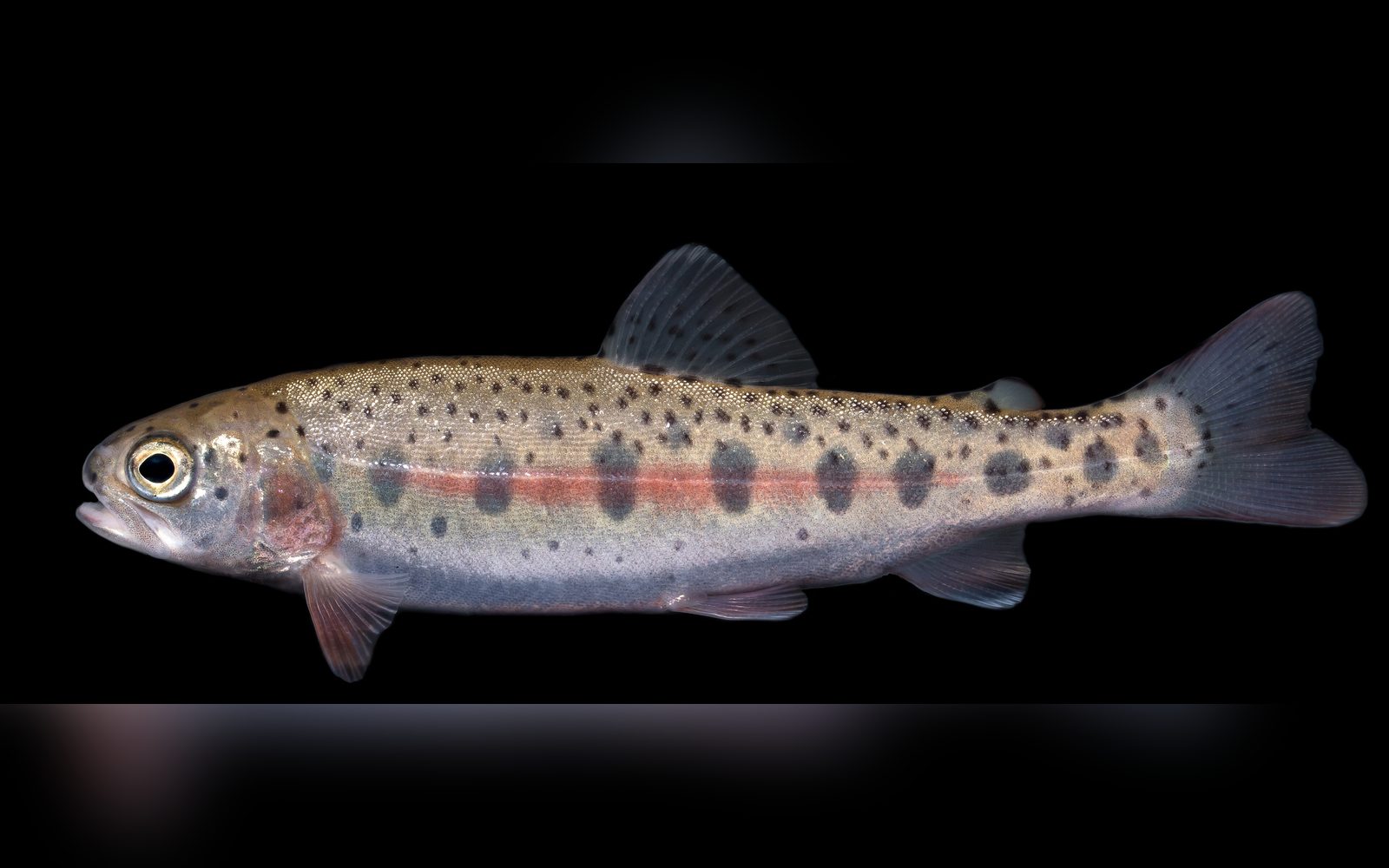
Most agency lure advice is for stocked rainbow trout, which Texas says run 10 to 12 in and so call for smaller lures on ultralight gear. Brown and brook trout advice comes from Wisconsin, Oklahoma and New York, and it is marked below.
Trout lures, in order
-
Small inline spinners. The most widely named trout lure: Texas, New York, Oklahoma, Washington and Wisconsin all list spinners. Wisconsin names small spinners for brook trout. In moving water, New York fishes a spinner upstream, then returns downstream with a slower presentation such as a worm or small jig. New York also uses a small ball-bearing snap swivel with spinners and spoons to avoid line twist.
-
Spoons. Texas, New York, Oklahoma and Washington list spoons. Oklahoma notes that there are times and places when only flashing spoons, marabou jigs or spinners work, because feeding habits decide what works.
-
Jigs. Texas names curly-tail jigs or grubs and bucktail jigs; Oklahoma names marabou jigs; New York names jigs, 1 to 2 in tube jigs and twister tails.
-
Tiny crankbaits, swim shads and stickbaits. Texas lists swim shads and tiny crankbaits, New York lists stickbaits and plastics, and Washington lists plugs and wedding rings.
-
Flies. Washington lists flies, and Wisconsin names flies for brook trout. Oklahoma says that if you do not see rise forms, switch to wet flies or nymphs.
-
Minnow and crayfish imitations. Wisconsin’s advice for trophy brown trout.
Prefer bait? Oklahoma names red worms, meal worms, salmon eggs, mini marshmallows, whole-kernel corn, cheese and small minnows, on size 10 to 18 hooks. Texas adds cut nightcrawlers, crickets, mealworms and trout nibbles, and New York adds grasshoppers, maggots and fish eggs.
Pick a lure by situation
| Situation | What to try | Source |
|---|---|---|
| Stocked rainbows, 10 to 12 in | Smaller lures on ultralight gear: inline spinners, spoons, curly-tail jigs, bucktail jigs, swim shads, tiny crankbaits | Texas TPWD |
| Cast-and-retrieve lures | 1/32 to 1/8 oz on an ultralight rod with line of 6 lb or lighter | Oklahoma DWC |
| Moving water | Spinner upstream, then a worm or small jig worked slowly back downstream | New York DEC |
| Brook trout | Worms, small spinners, flies | Wisconsin DNR |
| Trophy brown trout | Minnow and crayfish imitations | Wisconsin DNR |
| No fish rising | Wet flies or nymphs | Oklahoma DWC |
When to fish
Oklahoma says most trout are caught in early morning and late afternoon, and that brown trout fishing is best on overcast days, before the sun is up and at night. Wisconsin finds brook trout feeding at early morning and dusk, most active at 57 to 60°F, with brown trout feeding at about 55 to 65°F; Oklahoma puts browns’ peak feeding at 50 to 60°F. Washington finds rainbows near the surface in spring and fall and deeper in summer, with success high into June and declining as water warms and fish move offshore to stay cool.
Line and rod
Texas recommends 4 to 10 lb line, with 6 to 8 lb ideal; Oklahoma uses an ultralight rod with line of 6 lb or lighter; New York uses 4 to 8 lb monofilament on a small to medium spinning reel.
New York DEC says trout are cold-water fish, so pay attention to warming conditions if you plan to catch and release, and avoid fishing for trout in the warm summer months when stream temperatures are elevated.
Trout seasons, limits, stocking schedules and gear rules differ by state and water. Read your state agency’s current regulations first, for example the fishing pages of Washington WDFW, Oklahoma DWC, New York DEC or Texas TPWD.
Sources
- Rainbow trout (Oncorhynchus mykiss), Washington Department of Fish & Wildlife
- Fishing for stream trout, New York State DEC
- Trout angler guide: top tips and area highlights, Oklahoma Department of Wildlife Conservation
- Hook your catch, Wisconsin DNR
- Rainbow trout fishing (publication RP T3200), Texas Parks and Wildlife Department